 Reviews


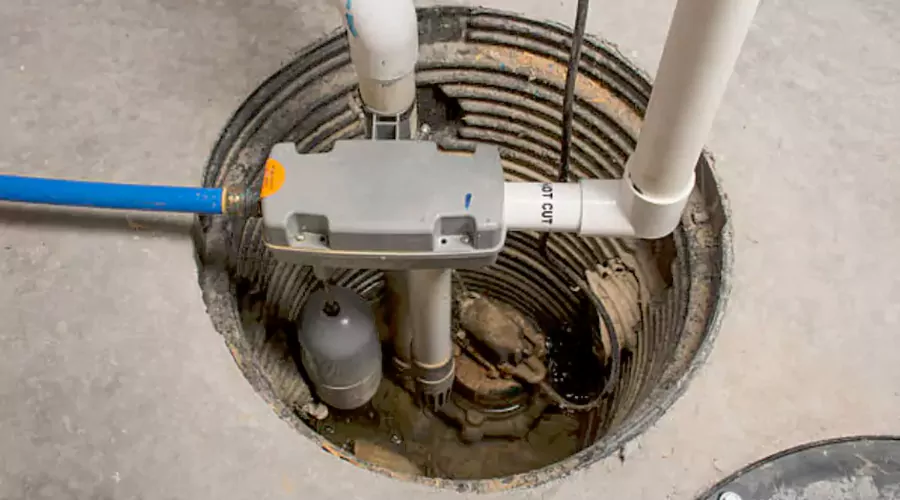
A sump pump is used to collect groundwater before it floods your basement and push it away from the foundation. The system costs $650 to $3,500 installed, while water damage to a finished basement runs $10,000 to $30,000 or more.
The machine sits in a sump pit at your floor's lowest point and runs only when water rises. Most homeowners never see it work, which is exactly the point.
Understanding what is a sump pump used for beyond basic flooding reveals a longer list: crawl spaces, window wells, yards and even emergency drainage all fall inside its job description.
The Core Use of a Sump Pump
The core use of sump pump systems is groundwater defense. Rain and snowmelt raise the water table around your foundation, and that water creates hydrostatic pressure that forces moisture through floor cracks. The pump intercepts the water below floor level and ejects it before pressure builds.
- Four parts do the whole job: Groundwater drains into the sump pit through perimeter piping or natural seepage. A float switch rides the water level like a bobber and signals the pump when water rises, sending it out through a discharge line. A check valve above the pump stops ejected water from falling back into the pit between cycles.
- Placement explains the quiet reliability: A submersible unit sits fully underwater in the pit, where the water itself muffles the motor noise.
Common Residential Uses
Five household situations account for nearly every sump pump used in American homes. Basements below the water table lead the list. The rest involve chronic moisture rather than dramatic floods, which is why many owners underestimate the need.
- Basement flood prevention: Typical sump pump use basement setups pair the pit with perimeter drain tile at the lowest corner of the slab.
- Crawl space drying: A shallow pit under the vapor barrier keeps a crawl space dry enough to stop mold and rot in the framing.
- High water table properties: Homes built where groundwater sits near the surface may see the pump cycle year-round.
- French drain endpoints: Interior basement waterproofing systems channel wall seepage to the pit as their final step.
- Appliance overflow insurance: A pit near the water heater and washer catches a tank or hose failure before it spreads.
How to Use a Sump Pump?
Learning how to use a sump pump takes five minutes because the machine automates itself. Your role is testing and power. A pump that sits idle for months needs proof it will wake up during the next storm.
Test it by pouring water into the pit until the float rises, then watch for three things: the motor starts, the water level drops fast and the pump shuts off cleanly. Run this test every three months and before every rainy season.
Power deserves equal attention. The pump belongs on its own GFCI outlet rather than a shared circuit that a freezer could trip. Adding a sump pump alarm costs under $20 and texts or beeps the moment water rises past the float without the pump responding.
Draining a Flooded Basement
Here's how to use a sump pump to drain basement floodwater when the water already arrived. A standing flood calls for a portable utility pump rather than the pit-mounted unit, since the installed pump only drains its own pit. Safety comes first in every step.
- Kill power to the basement: Turn off power at the main panel before stepping into any water.
- Position the utility pump: Place it at the lowest spot on the basement floor.
- Route the discharge hose: Run a garden hose or discharge hose to a drain or the yard's downhill side.
- Connect power safely: Plug into a GFCI outlet on a dry upper floor and let the pump run.
- Remove the final water: Switch to a wet/dry vacuum for the final inch that the pump cannot reach.
Pace matters more than speed after major regional flooding. Draining a fully flooded basement too fast against saturated soil can crack the walls, so drop the level two to three feet per day.
Sump Pump for Outdoor Use
A sump pump for outdoor use handles standing water anywhere gravity won't. Yard low spots, egress window wells and pool covers are the classic three. Outdoor duty works fine with two adjustments the basement never demanded.
Applications run wider than most owners expect. A pit at the base of a window well stops the aquarium effect against basement glass. Portable models empty hot tubs and pond liners in an afternoon. Landscape drains that collect runoff can terminate in an outdoor basin that pumps to the street.
The two adjustments are power and freezing. Outdoor pumps must run on GFCI-protected circuits rated for wet locations, and discharge lines need draining or disconnecting before the first freeze, since ice-blocked pipes burn out motors.
Types of Sump Pumps
Four designs cover every residential need. Submersibles dominate basements for their quiet, high-flow performance, while pedestals win on lifespan. Backups exist because storms and power outages arrive together.
| Type | 2026 Unit Price | Lifespan | Best For |
|---|---|---|---|
| Submersible sump pump | $150 to $700 | 7 to 10 years | Most basements, quiet operation |
| Pedestal sump pump | $60 to $170 | Up to 25 years | Light duty, easy access |
| Battery backup sump pump | Adds several hundred dollars | 3 to 5 years per battery | Outage protection |
| Water-powered backup | Mid-range | Decades | Homes on municipal water |
Material matters within each row. Cast iron submersibles outlast thermoplastic ones by years, and the math favors them: a $155 cast iron pump lasting 12 years costs about $12.90 per year against $15 per year for a $90 plastic unit replaced twice.
What Sump Pumps Cost in 2026?
Pricing splits on one question: does a pit already exist? A pump swap in an existing pit runs $650 to $1,200, making sump pump replacement a practical option when the existing unit is aging or failing, while a from-scratch system with concrete cutting and a battery backup runs $1,500 to $3,500.
| Scenario | 2026 Cost |
|---|---|
| DIY pump swap | $150 to $400 total |
| Professional replacement | $645 to $2,120, averaging $1,363 |
| New install, existing drainage | $650 to $1,200 |
| Full new system | $1,500 to $3,500 |
| Repairs | $400 to $550 average |
The prevention math stays lopsided. A $1,000 to $4,000 investment routinely prevents $20,000+ in foundation and mold repairs. For homes without an existing system, professional sump pump installation provides the drainage capacity needed to control groundwater.
Signs Your Home Needs One
Eight signs identify a sump pump candidate before the first flood. Most involve moisture patterns rather than standing water. Two or more matches justify a waterproofing consultation this season.
- Damp or musty smells in the basement after rain.
- White mineral stains on the lower foundation walls.
- Water lines or staining on the slab's low corner.
- A neighborhood where most homes already have pumps.
- A yard that slopes toward the house.
- Peeling paint or rust at the base of basement walls.
- A finished basement with anything valuable on the floor.
- A history of even one flooding event.
Maintenance That Doubles the Lifespan
Most pumps die from neglect years before the motor wears out. Typical units last 7 to 10 years, and pumps that run constantly in heavy rain wear out sooner. Four habits push the number higher.
- Pour-test quarterly: Keep the pit clear of debris.
- Screen the pit: A simple filter or window screen keeps gravel and debris out of the impeller.
- Replace the check valve: Replace it during any pump swap. The part costs about $15 and takes five minutes while the pipe is open.
- Book an annual inspection: This is especially worthwhile if the pump protects a finished basement.
Conclusion
One small machine stands between groundwater and everything you store below grade. The pit collects, the float decides and the discharge line carries the problem away. New pits and electrical work belong to a pro while testing and swaps sit within DIY reach.
This week, pour a bucket of water into your pit and make the pump prove itself before the next storm does.